เครื่องสำรองไฟ (UPS) คืออะไร เลือกอย่างไร
เรามีคำอธิบายด้านล่างนี้ ค่ะ แต่ถ้าลูกค้า อ่านแล้วไม่เข้าใจ งง ก็ไม่เป็นไรนะค่ะ ลูกค้าแค่ติดต่อเรา โทร 0 2952 7823 หรือ line @thailandups เพราะเรามีผู้เชี่ยวชาญ คอยให้คำปรึกษา แนะนำ อยู่ตลอดเวลาทำการ เบื้องต้นลูกค้าเตรียมข้อมูลให้เราเบื้องต้น ว่าลูกค้า ต้องการสำรองไฟ อุปกรณ์อะไร ต้องการสำรองไฟนานแค่ไหน มีงบเท่าไหร่ หรือสนใจ ยี่ห้อไหน เป็นพิเศษ ทางเรา จะช่วยแนะนำ ให้นะค่ะ
เครื่องสำรองไฟ (UPS)แบ่งได้เป็น 3 ระบบคือ
1.ระบบ True Online (Double Conversion UPS)
เครื่องสำรองไฟ ที่มีความสามารถในการปกป้องอุปกรณ์ต่างๆและคอมพิวเตอร์ของคุณได้ดี โดยหลักการทำงานของ เครื่องสำรองไฟ ชนิดนี้คือ เครื่องคอมพิวเตอร์หรืออุปกรณ์ต่างๆที่ต่อเข้ากับ เครื่องสำรองไฟ นี้จะไม่ได้รับกระแสไฟฟ้าโดยตรงจากสายไฟเลย เพราะระบบจะทำการจ่ายกระแสไฟเข้า สู่แบตเตอรี่ก่อน ก่อนที่จะส่งกระแสไฟไปยังเครื่องคอมพิวเตอร์หรืออุปกรณ์ต่อเชื่อมต่างๆ โดยจะมีอุปกรณ์ปรับแรงดันไฟให้มีความสม่ำเสมอ ทำให้ไม่มีโอกาสที่จะเกิดไฟตก ไฟเกิน ไฟกระชากได้เลย
เครื่องสำรองไฟ แบบนี้มีราคาที่แพง จึงไม่เหมาะที่จะนำไปใช้กับอุปกรณ์คอมพิวเตอร์โดยทั่วไป เครื่องสำรองไฟ ชนิดนี้เหมาะสำหรับที่จะนำไปใช้ กับอุปกรณ์ที่จะเกิดความผิดพลาดไม่ได้เช่น เครื่องมือแพทย์, เซิร์ฟเวอร์, ตู้ ATM, ระบบคอมพิวเตอร์สื่อสาร, ระบบคอมพิวเตอร์การเงินหรือธนาคาร เพราะจำเป็นที่จะต้องการคุณภาพของพลังงานไฟฟ้าที่สมบูรณ์
2. ระบบ Standby (Off line UPS)
เครื่องสำรองไฟ ชนิดที่นี้ถือมีราคาถูก ขึ้นอยู่กับยี่ห้อของ เครื่องสำรองไฟ มีขนาดเครื่องที่เล็กและมีความซับซ้อนภายในเครื่องน้อย โอกาสเสียจึงน้อยแต่ถ้าเกิดเสียขึ้นมาจริงๆก็สามารถที่จะซ่อมได้ไม่ยากนัก แต่ถือว่ามีระดับการป้องกันปัญหาทางด้านไฟฟ้าต่ำด้วย คือสามารถที่จะป้องกันไฟดับได้อย่างเดียว แต่ในปัจจุบัน เครื่องสำรองไฟ รุ่นใหม่ๆ จะมีวงจรที่ใช้ใน การตรวจสอบความผิดพลาดของกระแสไฟ โดยเมื่อเกิดปัญหาทางไฟฟ้าขึ้น วงจรก็จะสลับจากการใช้ไฟบ้านเปลี่ยนเป็นไปใช้ไฟจากแบตเตอรี่ที่ได้ทำการสำรองไว้ ซึ่งระหว่างการสลับกระแสไฟนี้จะทำให้ เกิดปัญหาขึ้นและอาจทำให้คอมพิวเตอร์เกิดปัญหาขึ้นได้ โดยจะไม่เหมือนกับแบบแรกที่สามารถปรับระดับไฟให้มีความสม่ำเสมอ
3. ระบบLine Interactive
เครื่องสำรองไฟ แบบนี้เป็น เครื่องสำรองไฟ ที่เหมาะสมที่จะนำมาใช้ร่วมกับคอมพิวเตอร์โดยทั่วไปหรืออาจจะนำมาใช้กับเซิร์ฟเวอร์ขนาดเล็กก็ได้ เป็น เครื่องสำรองไฟ ที่มีราคาไม่สูง มีระดับการป้องกันที่ถือว่าอยู่ในระดับที่น่าพอใจ ความซับซ้อนของอุปกรณ์อยู่ในระดับปานกลาง การซ่อมบำรุงทำได้ไม่ยากนัก ถือได้ว่าเป็น เครื่องสำรองไฟ ที่มีคนใช้มากและในปัจจุบันก็มี เครื่องสำรองไฟ แบบนี้ออกมาจำหน่ายอย่างมาก ในส่วนของการทำงานของ เครื่องสำรองไฟ ชนิดนี้จะมีการทำงานที่คล้ายๆกับ เครื่องสำรองไฟ แบบ Standby แต่จะมีความสามารถที่สูงกว่า จะมีการเพิ่มอุปกรณ์ที่เรียกว่าตัวกันไฟกระชาก Stabilizer เข้าไป ซึ่งจะคอยตรวจสอบระดับแรงดันไฟฟ้าที่จะป้อนให้กับอุปกรณ์ที่ต่อเชื่อมและคอยทำหน้าที่ควบคุมระดับแรงดันไฟฟ้าให้มีความสม่ำเสมอตลอด นับว่าเป็น เครื่องสำรองไฟ ที่เหมาะสมกับคุณมากเลยทีเดียว
เราสามารถแบ่งประเภทของเครื่องแปลงไฟตามลักษณะคลื่นของเอาท์พุทได้ 2 แบบหลักๆ คือ
Pure Sine Wave และ Modified Sine Wave
เครื่องแปลงไฟแบบ Pure Sine Wave นี้สามารถจ่ายไฟ AC ออกมาได้เหมือนไฟบ้านเลย รูปคลื่นเป็น Sine Wave 100%
ส่วน Modified Sine Wave นั้นรูปคลื่น Sine มีลักษณะเป็นขั้นบันได
Pure sine wave คือ
สัญญาณไฟฟ้ากระแสสลับที่มีลูกคลื่นสัญญาณต่อเนื่อง ซึ่งได้จากเครื่องกำเนิดไฟฟ้ากระแสสลับ (Generator) หรือ ไดนาโม สัญญาณไฟฟ้าลูกคลื่น เป็นสัญญาณไฟฟ้ากระแสสลับที่ใช้ได้กับเครื่องใช้ไฟฟ้าได้ทุกประเภท
Modified sine wave คือ
สัญญาณไฟฟ้ากระแสสลับทีถูกสร้างขึ้นมาโดยขบวนการทางดิจิตอลเพื่อลดความสูญเสียในรูปของความร้อนที่เกิดในอุปกรณ์สารกึ่งตัวนำ และเพื่อลดวงจรให้มีขนาดเล็กลง โดยสัญญาณที่ได้จะมีแรงดันและความถี่เท่ากันกับสัญญาณ Pure sine ดังนั้นสัญญาณ Modified sine wave จะใช้ได้ดีกับเครื่องใช้ไฟฟ้าที่มีระบบแปลงไฟเป็นไฟกระแสตรง เช่น ทีวี วิทยุ เครื่องเล่นวีดิโอ และ คอมพิวเตอร์ เป็นต้น แต่จะใช้ไม่ได้กับมอเตอร์ไฟฟ้า ประเภท อินดักชั่นมอเตอร์รูปข้างบนแสดงรูปคลื่นของ Pure Sine Wave (สีเขียว) และ Modified Sine Wave (สีแดง)
ขนาดของเครื่องสำรองไฟและการนำไปใช้งาน
ก่อนที่เราจะไปเลือกซื้อเครื่องสำรองไฟ เราต้องทราบก่อนว่าอุปกรณ์ที่ใช้กินไฟ กี่วัตต์ หรือ กี่ VA และเวลาในการสำรองไฟ ว่าต้องการนานแค่ไหน
เพื่อที่จะหาเครื่องสำรองไฟ ที่เหมาะสมกับการใช้งานได้ โดยปรกติจะมีสูตรการคำนวณ แต่ไม่ได้เป็นเรื่องง่ายในการคำนวณ แนะนำให้ปรึกษากับผุ้มีความรู้หรือผู้เชี่ยวชาญจะดีกว่า
ความสามารถในการสำรองไฟ
เครื่องสำรองไฟ จะสำรองไฟ ได้มากหรือน้อยขึ้นอยู่กับการกินไฟ ของอุปกรณ์ที่นำมาเสียบที่เครื่อง ก่อนการสั่งซื้อแนะนำให้ปรึกษาผู้ที่มีความรู้
ความชำนาญให้คำนวณกระแสไฟ เข้าและออก และเวลาที่เราต้องการในกรณีที่เกิดไฟดับ ว่าเราต้องการสำรองไฟ นานแค่ไหน ว่าควรจะใช้รุ่นไหน
จำนวนปลั๊กไฟฟ้าและพอร์ต
ปลั๊กไฟต่างๆนี้ถือว่ามีความสำคัญค่อนข้างมากในการเลือกซื้อเพราะ ถ้ามีจำนวนปลั๊กไฟยิ่งมาก เราก็สามารถสำรองอุปกรณ์ได้มากขึ้น
ปลั๊กไฟสำหรับป้องกันอันตรายที่จะเกิดกับเครื่องพรินเตอร์เลเซอร์ ปลั๊กไฟนี้จะไม่สำรองไฟแต่จะกันไฟกระชาก
นอกจากปลั๊กไฟ ยังมีพอร์ตอีกชนิดหนึ่งคือ พอร์ตสำหรับเสียบสายโทรศัพท์หรือสำหรับโมเด็ม เพราะพอร์ตเหล่านี้สามารถ ที่จะป้องกันความเสียหายจากกระแสไฟฟ้าแรงสูงที่ผ่านเข้ามาทางสายโทรศัพท์ได้ ทำให้ลดความเสียหายที่จะเกิดขึ้นกับอุปกรณ์ดังกล่าวได้อีกขั้นหนึ่ง
ซอฟต์แวร์ควบคุมการทำงาน
ซอฟต์แวร์สำหรับเครื่องสำรองไฟ ใช้สำหรับควบคุมการทำงานของเครื่อง สามารถสั่ง shutdown เครื่อง และบันทึกข้อมูลที่สำคัญของคุณ ไว้ได้ในกรณีที่เกิดเหตุการณ์ทางไฟฟ้าขึ้น และสามารถที่จะรายงานผลการทำงานของเครื่อง รวมทั้งสามารถ monitor การทำงานของเครือง
ทั้งในระยะใกล้ และระยะไกล ขึ้นอยู่กับรุ่น ของเครืองสำรองไฟ
การรับประกัน
การรับประกันให้เช็คว่ามีการรับประกัน กันอย่างไร บ้าง ประกันแบตเตอรี่ และตัวเครื่องประกัน กันอย่างไร โดยปรกติ จะรับประกัน 2 ปี
คุณสมบัติต่างๆ
1. มาตรฐานของเครื่องสำรองไฟที่เครื่องสำรองไฟนี้ได้รับ เช่น มาตรฐาน ISO 9001 หรือมาตรฐาน มอก. เป็นต้น
2. เลือกแบตเตอรี่ที่มีคุณภาพ เพราะจะทำให้มีคุณภาพในการสำรองไฟเพิ่มมากขึ้น และมีอายุการใช้งานเพิ่มมากขึ้น
3. ฟังก์ชันพิเศษของ เครื่องสำรองไฟ ควรจะต้องมีไฟแสดงสถานะการทำงานของเครื่อง นอกจากนี้ เครื่องสำรองไฟที่ดีควรต้องมีเสียงเตือน เมื่ออยู่ในสภาวะ อันตรายของเครื่องสำรองไฟ เช่นมีเสียงเตือนว่าไฟในแบตเตอรี่กำลังจะหมด
4. รูปทรง ขนาดของ เครื่องสำรองไฟ ก็มีส่วนสำคัญเช่นกัน ควรต้องเลือกเครื่องสำรองไฟที่มีขนาดและรูปทรงที่เหมาะกับการใช้งานของคุณ และต้องดูว่าสถานที่จะท่านจะนำเครื่องสำรองไฟนี้ไปใช้มีขนาดของพื้นที่มากน้อยเท่าไร เพื่อที่จะได้มีเครื่องสำรองไฟที่มีขนาดที่เหมาะสมไว้ใช้งานกัน
สายต่อเชื่อมต่างๆ ที่มักจะมีมาให้พร้อมกับ เครื่องสำรองไฟ
ส่วนประกอบของเครื่องสำรองไฟ
1. เครื่องประจุแบตเตอรี่ (Charger) หรือ เครื่องแปลงกระแสไฟฟ้าจาก AC เป็น DC (Rectifier) ทำหน้าที่รับกระแสไฟฟ้า AC จากระบบจ่ายไฟ แปลงกระแสไฟฟ้า DC จากนั้นประจุเก็บไว้ในแบตเตอรี่ ( Battery )
2. เครื่องแปลงกระแสไฟฟ้า (Inverter) ทำหน้าที่รับกระแสไฟฟ้า DC จากเครื่องแปลงกระแสไฟฟ้า AC เป็น DC หรือแบตเตอรี่และแปลงเป็นกระแสไฟฟ้า AC สำหรับใช้กับอุปกรณ์ไฟฟ้าและอุปกรณ์อิเล็กทรอนิกส์
3. แบตเตอรี่ (Battery) ทำหน้าที่เก็บพลังงานไฟฟ้าสำรองไว้ใช้ในกรณีเกิดปัญหาทางไฟฟ้า โดยจะจ่ายกระแสไฟฟ้า DC ให้กับเครื่องแปลงกระแสไฟฟ้าในกรณีที่ไม่สามารถรับกระแสไฟฟ้า AC จากระบบจ่ายไฟได้
4. ใบรับประกันตัวสินค้า ทั้งตัวเครื่อง และแบตเตอรี่
เครื่องสำรองไฟ ที่เราจำหน่ายมี หลายยี่ห้อ แต่พื้นฐานแล้ว ระบบจะคล้ายๆๆกัน จะแตกต่างกันในเรื่องของแหล่งที่มา เทคโนโลยี วัตถุดิบที่ใช้ในการผลิต การบริการหลังและก่อนการขาย
การสำรองไฟ จะได้มากหรือน้อย ขึ้นอยู่กับอุปกรณ์ที่เราต้องการสำรองไฟ ว่าเป็นอุปกรณ์อะไร กินไฟ มากน้อยแค่ไหน ส่วนเรื่องของอายุการใช้งาน ปรกติ 2 ปี แต่หลังจาก 2 ปี แล้ว แนะนำให้เปลี่ยน battery
เนื่องจากว่า battery ก็มี อายุการใช้งาน เช่นกัน โดยปรกติ battery ก็มีอายุการใช้งาน 2 ปี ไม่เกิน 3 ปี
สาเหตุที่ทำให้เครื่องสำรองไฟ เสีย - ฟ้าผ่า, แบตเตอรี่เสื่อมคุณภาพ, การใช้งานเกินความสามารถของเครื่องสำรองไฟ overload และเครื่องสำรองไฟถูกน้ำเข้าไปในเครื่อง ทำให้เกิดไฟช็อต
----------------------------------------------------------------------------------------------------------------------------------------------------------------------------------
**What is an Uninterruptible Power Supply (UPS) and How to Choose One**
If the details below seem overwhelming, don't worry! You can contact us at **0 2952 7823** or via Line at **@thailandups**. Our experts are available during business hours to consult and assist you. To get started, please prepare the following basic information:
* The equipment you want to back up
* The required backup runtime
* Your budget
* Any specific brands you prefer
### **UPS Types by Topology**
1. **True Online System (Double Conversion UPS)**
* **Overview:** Provides the highest level of protection for your computers and sensitive equipment.
* **How It Works:** Connected equipment does not receive power directly from the main utility line. Power is converted and routed to the battery first before being supplied to connected devices. A voltage regulator keeps output constant, eliminating the risks of power sags, surges, and spikes completely.
* **Best For:** High-risk or mission-critical equipment where zero fault tolerance is required—such as medical devices, servers, ATMs, telecommunication networks, and financial/banking computer systems.
* **Note:** Due to its higher cost, it is generally not economical for standard personal computers.
2. **Standby System (Offline UPS)**
* **Overview:** The most economical option, offering low internal complexity and a small form factor. Lower design complexity reduces failure rates, and repairs are straightforward.
* **How It Works:** Offers basic power protection (primarily against blackouts). When a power anomaly occurs, a transfer switch flips from utility power to the internal battery. This brief transfer delay can occasionally affect sensitive electronics.
* **Best For:** Basic entry-level protection where budget is the primary constraint.
3. **Line Interactive System**
* **Overview:** The most popular choice for general desktop PCs and small servers. Offers reliable protection at an affordable price point with moderate maintenance requirements.
* **How It Works:** Operates similarly to a Standby UPS but adds an automatic voltage regulator (Stabilizer) and surge protector. It continuously monitors and stabilizes incoming utility voltage without frequently switching to battery power.
### **Output Waveform Types**
1. **Pure Sine Wave**
* Produces a clean, smooth AC output identical to standard utility power (100% sine wave).
* Compatible with all electrical appliances and sensitive electronics.
2. **Modified Sine Wave**
* Generates a stepped waveform via digital processing to reduce heat loss and circuit footprint.
* Matches Pure Sine Wave in voltage and frequency, making it suitable for devices with DC power adapters (TVs, radios, media players, standard desktop PCs).
* **Not compatible** with AC induction motors.
### **Key Factors when Choosing a UPS**
* **Capacity & Runtime:** Identify the total power consumption (Watts or VA) of your connected devices and your required backup duration. Because capacity calculations can be complex, consulting a specialist is recommended.
* **Outlets & Ports:**
* **Outlets:** Ensure you have enough battery-backed outlets for your core equipment, plus dedicated surge-only outlets for high-draw peripherals like laser printers.
* **Data Line Protection:** Look for RJ-11/RJ-45 ports to protect telephone, modem, or network lines from high-voltage surges.
* **Control Software:** Allows automatic system shutdowns, data saving, and local or remote status monitoring during power incidents.
* **Warranty:** Verify terms for both the UPS unit and the battery. Standard coverage is typically 2 years.
* **Additional Features:**
* Quality standards (e.g., ISO 9001, TISI/TIS certified).
* High-grade batteries for longer runtime and operational lifespan.
* Visual status indicators and audible warning alarms (e.g., low battery alerts).
* Suitable physical size and form factor for your available space.
### **Core Components of a UPS**
1. **Charger / Rectifier:** Converts incoming AC utility power into DC power to charge the battery storage.
2. **Inverter:** Converts DC power from the rectifier or battery back into clean AC power for connected electronics.
3. **Battery:** Stores backup electrical energy to power the inverter during outages.
4. **Warranty Documentation:** Covers both the main unit and battery cells.
### **Service & Maintenance Notes**
* **Product Range:** While UPS units from different brands share fundamental design principles, they vary in manufacturing origin, component quality, advanced features, and support services.
* **Battery Lifespan:** Batteries naturally degrade over time and typically last **2 to 3 years**. Replacing the battery after 2 years is recommended to maintain optimal runtime and reliability.
* **Common Causes of Failure:** Lightning strikes, battery degradation, overloading (exceeding maximum Watt/VA capacity), and liquid ingress causing short circuits.
เรามีคำอธิบายด้านล่างนี้ ค่ะ แต่ถ้าลูกค้า อ่านแล้วไม่เข้าใจ งง ก็ไม่เป็นไรนะค่ะ ลูกค้าแค่ติดต่อเรา โทร 0 2952 7823 หรือ line @thailandups เพราะเรามีผู้เชี่ยวชาญ คอยให้คำปรึกษา แนะนำ อยู่ตลอดเวลาทำการ เบื้องต้นลูกค้าเตรียมข้อมูลให้เราเบื้องต้น ว่าลูกค้า ต้องการสำรองไฟ อุปกรณ์อะไร ต้องการสำรองไฟนานแค่ไหน มีงบเท่าไหร่ หรือสนใจ ยี่ห้อไหน เป็นพิเศษ ทางเรา จะช่วยแนะนำ ให้นะค่ะ
เครื่องสำรองไฟ (UPS)แบ่งได้เป็น 3 ระบบคือ
1.ระบบ True Online (Double Conversion UPS)
เครื่องสำรองไฟ ที่มีความสามารถในการปกป้องอุปกรณ์ต่างๆและคอมพิวเตอร์ของคุณได้ดี โดยหลักการทำงานของ เครื่องสำรองไฟ ชนิดนี้คือ เครื่องคอมพิวเตอร์หรืออุปกรณ์ต่างๆที่ต่อเข้ากับ เครื่องสำรองไฟ นี้จะไม่ได้รับกระแสไฟฟ้าโดยตรงจากสายไฟเลย เพราะระบบจะทำการจ่ายกระแสไฟเข้า สู่แบตเตอรี่ก่อน ก่อนที่จะส่งกระแสไฟไปยังเครื่องคอมพิวเตอร์หรืออุปกรณ์ต่อเชื่อมต่างๆ โดยจะมีอุปกรณ์ปรับแรงดันไฟให้มีความสม่ำเสมอ ทำให้ไม่มีโอกาสที่จะเกิดไฟตก ไฟเกิน ไฟกระชากได้เลย
เครื่องสำรองไฟ แบบนี้มีราคาที่แพง จึงไม่เหมาะที่จะนำไปใช้กับอุปกรณ์คอมพิวเตอร์โดยทั่วไป เครื่องสำรองไฟ ชนิดนี้เหมาะสำหรับที่จะนำไปใช้ กับอุปกรณ์ที่จะเกิดความผิดพลาดไม่ได้เช่น เครื่องมือแพทย์, เซิร์ฟเวอร์, ตู้ ATM, ระบบคอมพิวเตอร์สื่อสาร, ระบบคอมพิวเตอร์การเงินหรือธนาคาร เพราะจำเป็นที่จะต้องการคุณภาพของพลังงานไฟฟ้าที่สมบูรณ์
2. ระบบ Standby (Off line UPS)
เครื่องสำรองไฟ ชนิดที่นี้ถือมีราคาถูก ขึ้นอยู่กับยี่ห้อของ เครื่องสำรองไฟ มีขนาดเครื่องที่เล็กและมีความซับซ้อนภายในเครื่องน้อย โอกาสเสียจึงน้อยแต่ถ้าเกิดเสียขึ้นมาจริงๆก็สามารถที่จะซ่อมได้ไม่ยากนัก แต่ถือว่ามีระดับการป้องกันปัญหาทางด้านไฟฟ้าต่ำด้วย คือสามารถที่จะป้องกันไฟดับได้อย่างเดียว แต่ในปัจจุบัน เครื่องสำรองไฟ รุ่นใหม่ๆ จะมีวงจรที่ใช้ใน การตรวจสอบความผิดพลาดของกระแสไฟ โดยเมื่อเกิดปัญหาทางไฟฟ้าขึ้น วงจรก็จะสลับจากการใช้ไฟบ้านเปลี่ยนเป็นไปใช้ไฟจากแบตเตอรี่ที่ได้ทำการสำรองไว้ ซึ่งระหว่างการสลับกระแสไฟนี้จะทำให้ เกิดปัญหาขึ้นและอาจทำให้คอมพิวเตอร์เกิดปัญหาขึ้นได้ โดยจะไม่เหมือนกับแบบแรกที่สามารถปรับระดับไฟให้มีความสม่ำเสมอ
3. ระบบLine Interactive
เราสามารถแบ่งประเภทของเครื่องแปลงไฟตามลักษณะคลื่นของเอาท์พุทได้ 2 แบบหลักๆ คือ
เครื่องแปลงไฟแบบ Pure Sine Wave นี้สามารถจ่ายไฟ AC ออกมาได้เหมือนไฟบ้านเลย รูปคลื่นเป็น Sine Wave 100%
ส่วน Modified Sine Wave นั้นรูปคลื่น Sine มีลักษณะเป็นขั้นบันได
Pure sine wave คือ
สัญญาณไฟฟ้ากระแสสลับที่มีลูกคลื่นสัญญาณต่อเนื่อง ซึ่งได้จากเครื่องกำเนิดไฟฟ้ากระแสสลับ (Generator) หรือ ไดนาโม สัญญาณไฟฟ้าลูกคลื่น เป็นสัญญาณไฟฟ้ากระแสสลับที่ใช้ได้กับเครื่องใช้ไฟฟ้าได้ทุกประเภท
Modified sine wave คือ
สัญญาณไฟฟ้ากระแสสลับทีถูกสร้างขึ้นมาโดยขบวนการทางดิจิตอลเพื่อลดความสูญเสียในรูปของความร้อนที่เกิดในอุปกรณ์สารกึ่งตัวนำ และเพื่อลดวงจรให้มีขนาดเล็กลง โดยสัญญาณที่ได้จะมีแรงดันและความถี่เท่ากันกับสัญญาณ Pure sine ดังนั้นสัญญาณ Modified sine wave จะใช้ได้ดีกับเครื่องใช้ไฟฟ้าที่มีระบบแปลงไฟเป็นไฟกระแสตรง เช่น ทีวี วิทยุ เครื่องเล่นวีดิโอ และ คอมพิวเตอร์ เป็นต้น แต่จะใช้ไม่ได้กับมอเตอร์ไฟฟ้า ประเภท อินดักชั่นมอเตอร์รูปข้างบนแสดงรูปคลื่นของ Pure Sine Wave (สีเขียว) และ Modified Sine Wave (สีแดง)
ขนาดของเครื่องสำรองไฟและการนำไปใช้งาน
ก่อนที่เราจะไปเลือกซื้อเครื่องสำรองไฟ เราต้องทราบก่อนว่าอุปกรณ์ที่ใช้กินไฟ กี่วัตต์ หรือ กี่ VA และเวลาในการสำรองไฟ ว่าต้องการนานแค่ไหน
เพื่อที่จะหาเครื่องสำรองไฟ ที่เหมาะสมกับการใช้งานได้ โดยปรกติจะมีสูตรการคำนวณ แต่ไม่ได้เป็นเรื่องง่ายในการคำนวณ แนะนำให้ปรึกษากับผุ้มีความรู้หรือผู้เชี่ยวชาญจะดีกว่า
ความสามารถในการสำรองไฟ
เครื่องสำรองไฟ จะสำรองไฟ ได้มากหรือน้อยขึ้นอยู่กับการกินไฟ ของอุปกรณ์ที่นำมาเสียบที่เครื่อง ก่อนการสั่งซื้อแนะนำให้ปรึกษาผู้ที่มีความรู้
ความชำนาญให้คำนวณกระแสไฟ เข้าและออก และเวลาที่เราต้องการในกรณีที่เกิดไฟดับ ว่าเราต้องการสำรองไฟ นานแค่ไหน ว่าควรจะใช้รุ่นไหน
ปลั๊กไฟสำหรับป้องกันอันตรายที่จะเกิดกับเครื่องพรินเตอร์เลเซอร์ ปลั๊กไฟนี้จะไม่สำรองไฟแต่จะกันไฟกระชาก
นอกจากปลั๊กไฟ ยังมีพอร์ตอีกชนิดหนึ่งคือ พอร์ตสำหรับเสียบสายโทรศัพท์หรือสำหรับโมเด็ม เพราะพอร์ตเหล่านี้สามารถ ที่จะป้องกันความเสียหายจากกระแสไฟฟ้าแรงสูงที่ผ่านเข้ามาทางสายโทรศัพท์ได้ ทำให้ลดความเสียหายที่จะเกิดขึ้นกับอุปกรณ์ดังกล่าวได้อีกขั้นหนึ่ง
ซอฟต์แวร์ควบคุมการทำงาน
ซอฟต์แวร์สำหรับเครื่องสำรองไฟ ใช้สำหรับควบคุมการทำงานของเครื่อง สามารถสั่ง shutdown เครื่อง และบันทึกข้อมูลที่สำคัญของคุณ ไว้ได้ในกรณีที่เกิดเหตุการณ์ทางไฟฟ้าขึ้น และสามารถที่จะรายงานผลการทำงานของเครื่อง รวมทั้งสามารถ monitor การทำงานของเครือง
ทั้งในระยะใกล้ และระยะไกล ขึ้นอยู่กับรุ่น ของเครืองสำรองไฟ
การรับประกัน
การรับประกันให้เช็คว่ามีการรับประกัน กันอย่างไร บ้าง ประกันแบตเตอรี่ และตัวเครื่องประกัน กันอย่างไร โดยปรกติ จะรับประกัน 2 ปี
คุณสมบัติต่างๆ
1. มาตรฐานของเครื่องสำรองไฟที่เครื่องสำรองไฟนี้ได้รับ เช่น มาตรฐาน ISO 9001 หรือมาตรฐาน มอก. เป็นต้น
2. เลือกแบตเตอรี่ที่มีคุณภาพ เพราะจะทำให้มีคุณภาพในการสำรองไฟเพิ่มมากขึ้น และมีอายุการใช้งานเพิ่มมากขึ้น
3. ฟังก์ชันพิเศษของ เครื่องสำรองไฟ ควรจะต้องมีไฟแสดงสถานะการทำงานของเครื่อง นอกจากนี้ เครื่องสำรองไฟที่ดีควรต้องมีเสียงเตือน เมื่ออยู่ในสภาวะ อันตรายของเครื่องสำรองไฟ เช่นมีเสียงเตือนว่าไฟในแบตเตอรี่กำลังจะหมด
4. รูปทรง ขนาดของ เครื่องสำรองไฟ ก็มีส่วนสำคัญเช่นกัน ควรต้องเลือกเครื่องสำรองไฟที่มีขนาดและรูปทรงที่เหมาะกับการใช้งานของคุณ และต้องดูว่าสถานที่จะท่านจะนำเครื่องสำรองไฟนี้ไปใช้มีขนาดของพื้นที่มากน้อยเท่าไร เพื่อที่จะได้มีเครื่องสำรองไฟที่มีขนาดที่เหมาะสมไว้ใช้งานกัน
สายต่อเชื่อมต่างๆ ที่มักจะมีมาให้พร้อมกับ เครื่องสำรองไฟ
2. เครื่องแปลงกระแสไฟฟ้า (Inverter) ทำหน้าที่รับกระแสไฟฟ้า DC จากเครื่องแปลงกระแสไฟฟ้า AC เป็น DC หรือแบตเตอรี่และแปลงเป็นกระแสไฟฟ้า AC สำหรับใช้กับอุปกรณ์ไฟฟ้าและอุปกรณ์อิเล็กทรอนิกส์
3. แบตเตอรี่ (Battery) ทำหน้าที่เก็บพลังงานไฟฟ้าสำรองไว้ใช้ในกรณีเกิดปัญหาทางไฟฟ้า โดยจะจ่ายกระแสไฟฟ้า DC ให้กับเครื่องแปลงกระแสไฟฟ้าในกรณีที่ไม่สามารถรับกระแสไฟฟ้า AC จากระบบจ่ายไฟได้
4. ใบรับประกันตัวสินค้า ทั้งตัวเครื่อง และแบตเตอรี่
เครื่องสำรองไฟ ที่เราจำหน่ายมี หลายยี่ห้อ แต่พื้นฐานแล้ว ระบบจะคล้ายๆๆกัน จะแตกต่างกันในเรื่องของแหล่งที่มา เทคโนโลยี วัตถุดิบที่ใช้ในการผลิต การบริการหลังและก่อนการขาย
การสำรองไฟ จะได้มากหรือน้อย ขึ้นอยู่กับอุปกรณ์ที่เราต้องการสำรองไฟ ว่าเป็นอุปกรณ์อะไร กินไฟ มากน้อยแค่ไหน ส่วนเรื่องของอายุการใช้งาน ปรกติ 2 ปี แต่หลังจาก 2 ปี แล้ว แนะนำให้เปลี่ยน battery
เนื่องจากว่า battery ก็มี อายุการใช้งาน เช่นกัน โดยปรกติ battery ก็มีอายุการใช้งาน 2 ปี ไม่เกิน 3 ปี
สาเหตุที่ทำให้เครื่องสำรองไฟ เสีย - ฟ้าผ่า, แบตเตอรี่เสื่อมคุณภาพ, การใช้งานเกินความสามารถของเครื่องสำรองไฟ overload และเครื่องสำรองไฟถูกน้ำเข้าไปในเครื่อง ทำให้เกิดไฟช็อต
----------------------------------------------------------------------------------------------------------------------------------------------------------------------------------
**What is an Uninterruptible Power Supply (UPS) and How to Choose One**
If the details below seem overwhelming, don't worry! You can contact us at **0 2952 7823** or via Line at **@thailandups**. Our experts are available during business hours to consult and assist you. To get started, please prepare the following basic information:
* The equipment you want to back up
* The required backup runtime
* Your budget
* Any specific brands you prefer
### **UPS Types by Topology**
1. **True Online System (Double Conversion UPS)**
* **Overview:** Provides the highest level of protection for your computers and sensitive equipment.
* **How It Works:** Connected equipment does not receive power directly from the main utility line. Power is converted and routed to the battery first before being supplied to connected devices. A voltage regulator keeps output constant, eliminating the risks of power sags, surges, and spikes completely.
* **Best For:** High-risk or mission-critical equipment where zero fault tolerance is required—such as medical devices, servers, ATMs, telecommunication networks, and financial/banking computer systems.
* **Note:** Due to its higher cost, it is generally not economical for standard personal computers.
2. **Standby System (Offline UPS)**
* **Overview:** The most economical option, offering low internal complexity and a small form factor. Lower design complexity reduces failure rates, and repairs are straightforward.
* **How It Works:** Offers basic power protection (primarily against blackouts). When a power anomaly occurs, a transfer switch flips from utility power to the internal battery. This brief transfer delay can occasionally affect sensitive electronics.
* **Best For:** Basic entry-level protection where budget is the primary constraint.
3. **Line Interactive System**
* **Overview:** The most popular choice for general desktop PCs and small servers. Offers reliable protection at an affordable price point with moderate maintenance requirements.
* **How It Works:** Operates similarly to a Standby UPS but adds an automatic voltage regulator (Stabilizer) and surge protector. It continuously monitors and stabilizes incoming utility voltage without frequently switching to battery power.
### **Output Waveform Types**
1. **Pure Sine Wave**
* Produces a clean, smooth AC output identical to standard utility power (100% sine wave).
* Compatible with all electrical appliances and sensitive electronics.
2. **Modified Sine Wave**
* Generates a stepped waveform via digital processing to reduce heat loss and circuit footprint.
* Matches Pure Sine Wave in voltage and frequency, making it suitable for devices with DC power adapters (TVs, radios, media players, standard desktop PCs).
* **Not compatible** with AC induction motors.
### **Key Factors when Choosing a UPS**
* **Capacity & Runtime:** Identify the total power consumption (Watts or VA) of your connected devices and your required backup duration. Because capacity calculations can be complex, consulting a specialist is recommended.
* **Outlets & Ports:**
* **Outlets:** Ensure you have enough battery-backed outlets for your core equipment, plus dedicated surge-only outlets for high-draw peripherals like laser printers.
* **Data Line Protection:** Look for RJ-11/RJ-45 ports to protect telephone, modem, or network lines from high-voltage surges.
* **Control Software:** Allows automatic system shutdowns, data saving, and local or remote status monitoring during power incidents.
* **Warranty:** Verify terms for both the UPS unit and the battery. Standard coverage is typically 2 years.
* **Additional Features:**
* Quality standards (e.g., ISO 9001, TISI/TIS certified).
* High-grade batteries for longer runtime and operational lifespan.
* Visual status indicators and audible warning alarms (e.g., low battery alerts).
* Suitable physical size and form factor for your available space.
### **Core Components of a UPS**
1. **Charger / Rectifier:** Converts incoming AC utility power into DC power to charge the battery storage.
2. **Inverter:** Converts DC power from the rectifier or battery back into clean AC power for connected electronics.
3. **Battery:** Stores backup electrical energy to power the inverter during outages.
4. **Warranty Documentation:** Covers both the main unit and battery cells.
### **Service & Maintenance Notes**
* **Product Range:** While UPS units from different brands share fundamental design principles, they vary in manufacturing origin, component quality, advanced features, and support services.
* **Battery Lifespan:** Batteries naturally degrade over time and typically last **2 to 3 years**. Replacing the battery after 2 years is recommended to maintain optimal runtime and reliability.
* **Common Causes of Failure:** Lightning strikes, battery degradation, overloading (exceeding maximum Watt/VA capacity), and liquid ingress causing short circuits.

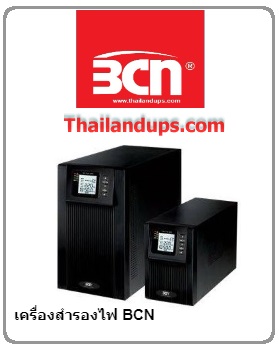
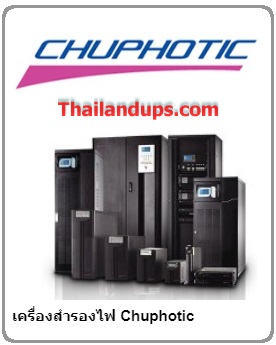
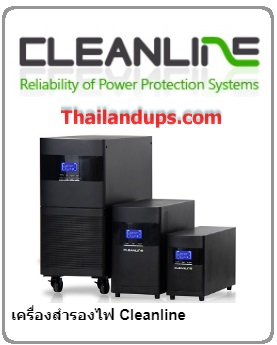
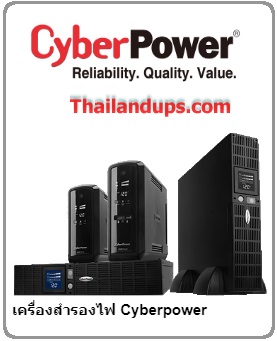
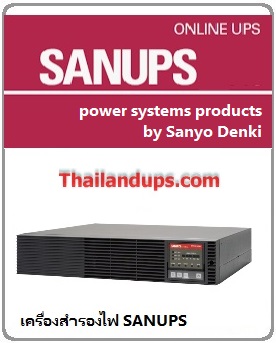
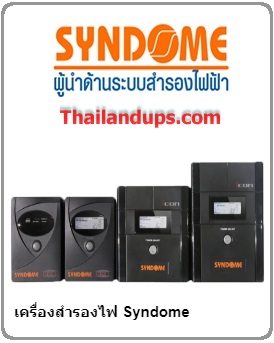
สินค้า brand ที่เราจำหน่าย
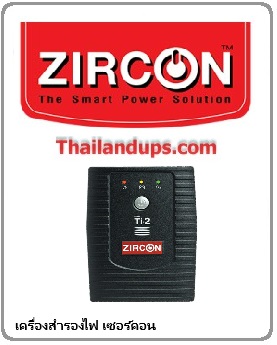
สินค้า brand อื่นที่เราจำหน่าย


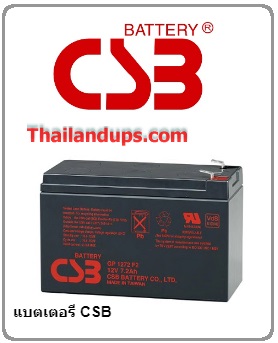
สินค้า brand ที่เราจำหน่าย
All rights reserved to Capslock Company Limited- 2026
ติดต่อเรา
บริษัท แค็พซล็อค จำกัด
50 ซอยงามวงศ์วาน 23 ถนนงามวงศ์วาน
ตำบลบางเขน อำเภอเมือง จังหวัดนนทบุรี 11000
โทร 0 2952 7824 (auto) แฟ็กซ์ 0 2952 7423
Email : info@capslockthai.com
Line ID : @thailandups
เลขประจำตัวผู้เสียภาษี 0125546012411
เวลาทำการ จันทร์ - ศุกร์ 8.30 - 17.30 น.
บริษัท แค็พซล็อค จำกัด
50 ซอยงามวงศ์วาน 23 ถนนงามวงศ์วาน
ตำบลบางเขน อำเภอเมือง จังหวัดนนทบุรี 11000
โทร 0 2952 7824 (auto) แฟ็กซ์ 0 2952 7423
Email : info@capslockthai.com
Line ID : @thailandups
เลขประจำตัวผู้เสียภาษี 0125546012411
เวลาทำการ จันทร์ - ศุกร์ 8.30 - 17.30 น.
Contact us
Capslock Company Limited
50 Soi Ngamwongwan 23 Ngamwongwan Rd
Bangkhen Subdistrict Muang District Nonthaburi 11000
Tel 0 2952 7824 (auto) Fax 0 2952 7423
Email : info@capslockthai.com
Line ID : @thailandups
TAX ID 0125546012411
Office hours : Monday - Friday 8.30 am - 5.30 pm
Capslock Company Limited
50 Soi Ngamwongwan 23 Ngamwongwan Rd
Bangkhen Subdistrict Muang District Nonthaburi 11000
Tel 0 2952 7824 (auto) Fax 0 2952 7423
Email : info@capslockthai.com
Line ID : @thailandups
TAX ID 0125546012411
Office hours : Monday - Friday 8.30 am - 5.30 pm
ธนาคารสำหรับโอนเงินค่าสินค้า/ Bank ( payment transfer)
ชื่อบัญชี / account name บจ แค็พซล็อค / Capslock Co.,Ltd
ธนาคารกรุงศรีอยุธยา สาขาเซ็นทรัล รัตนาธิเบศร์
Krungsri Bank, Central Rattanathibet Branch, Saving account
เลขที่บัญชี /Account number 241 1 26526 3
ธนาคารกสิกรไทย สาขาโรบินสัน ศรีสมาน - ออมทรัพย์
Kasikorn Bank, Ronbinson Srisaman Branch, Saving account
เลขที่บัญชี /Account number 039 2 79050 0
ธนาคารไทยพาณิชย์ สาขาเดอะมอลล์ งามวงศ์วาน -ออมทรัพย์
Saim Commercial Bank, The Mall Ngamwongwan Branch, Saving account
เลขที่บัญชี / Acoount number 357 441964 0
ชื่อบัญชี / account name บจ แค็พซล็อค / Capslock Co.,Ltd
ธนาคารกรุงศรีอยุธยา สาขาเซ็นทรัล รัตนาธิเบศร์
Krungsri Bank, Central Rattanathibet Branch, Saving account
เลขที่บัญชี /Account number 241 1 26526 3
ธนาคารกสิกรไทย สาขาโรบินสัน ศรีสมาน - ออมทรัพย์
Kasikorn Bank, Ronbinson Srisaman Branch, Saving account
เลขที่บัญชี /Account number 039 2 79050 0
ธนาคารไทยพาณิชย์ สาขาเดอะมอลล์ งามวงศ์วาน -ออมทรัพย์
Saim Commercial Bank, The Mall Ngamwongwan Branch, Saving account
เลขที่บัญชี / Acoount number 357 441964 0

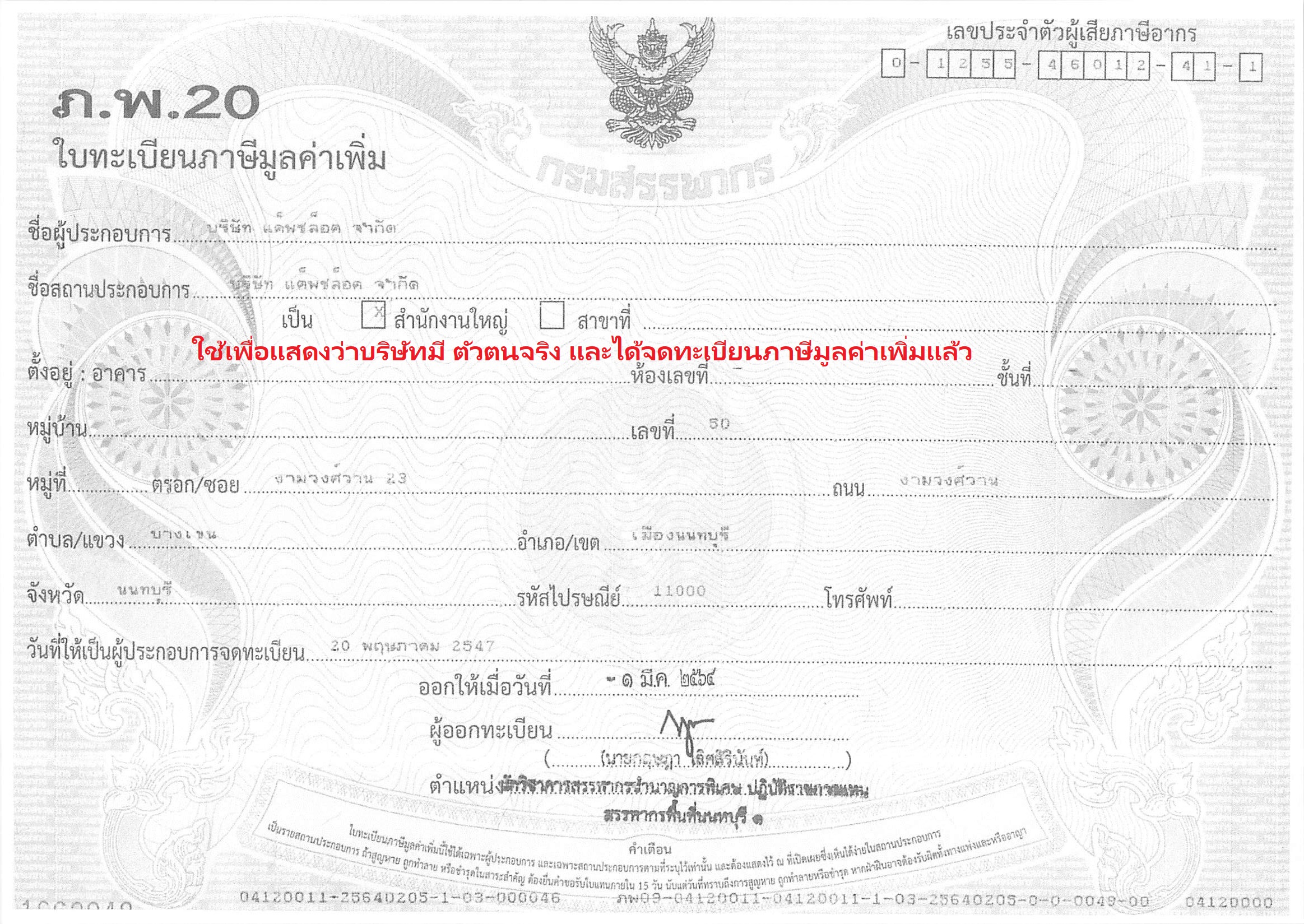
ใบทะเบียนภาษีมูลค่าเพิ่ม (ภ.พ.20)
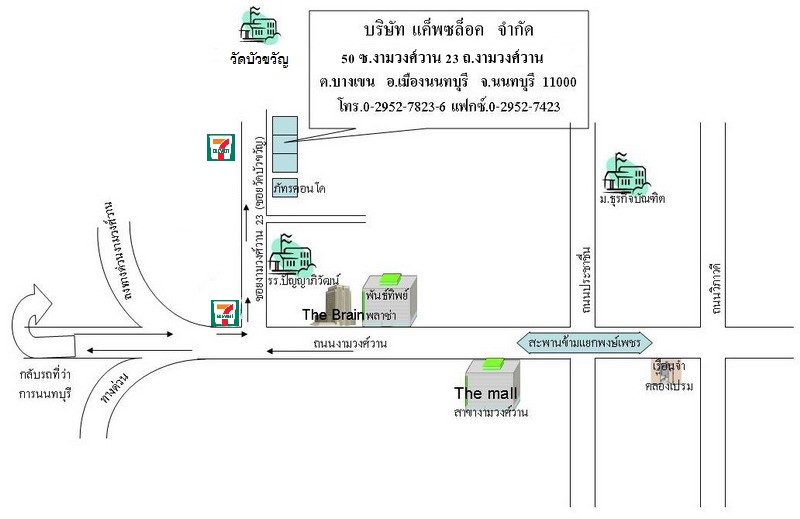
แผนที่

หมายเหตุ
- ภาพใช้แสดงเป็นตัวอย่างเท่านั้น
- ราคาดังกล่าวยังไม่รวมภาษีมูลค่าเพิ่ม
- ราคาอาจมีการเปลี่ยนแปลงโดยไม่ต้องแจ้งให้ทราบล่วงหน้า
- ทางร้านขอสงวนสิทธิ์ในความรับผิดชอบใดๆ อันเนื่องจาก
ข้อผิดพลาดในการพิมพ์ (ผิด/ตก) ไม่ว่ากรณีใดๆ ก็ตาม
- ภาพใช้แสดงเป็นตัวอย่างเท่านั้น
- ราคาดังกล่าวยังไม่รวมภาษีมูลค่าเพิ่ม
- ราคาอาจมีการเปลี่ยนแปลงโดยไม่ต้องแจ้งให้ทราบล่วงหน้า
- ทางร้านขอสงวนสิทธิ์ในความรับผิดชอบใดๆ อันเนื่องจาก
ข้อผิดพลาดในการพิมพ์ (ผิด/ตก) ไม่ว่ากรณีใดๆ ก็ตาม


[Home][Contact][Our service][About][วิธีการสั่งซื้อสินค้า][PROMOTION][Quotation][เคลมสินค้า][สมัครงาน]